

by Pria-Rose Rodriguez.
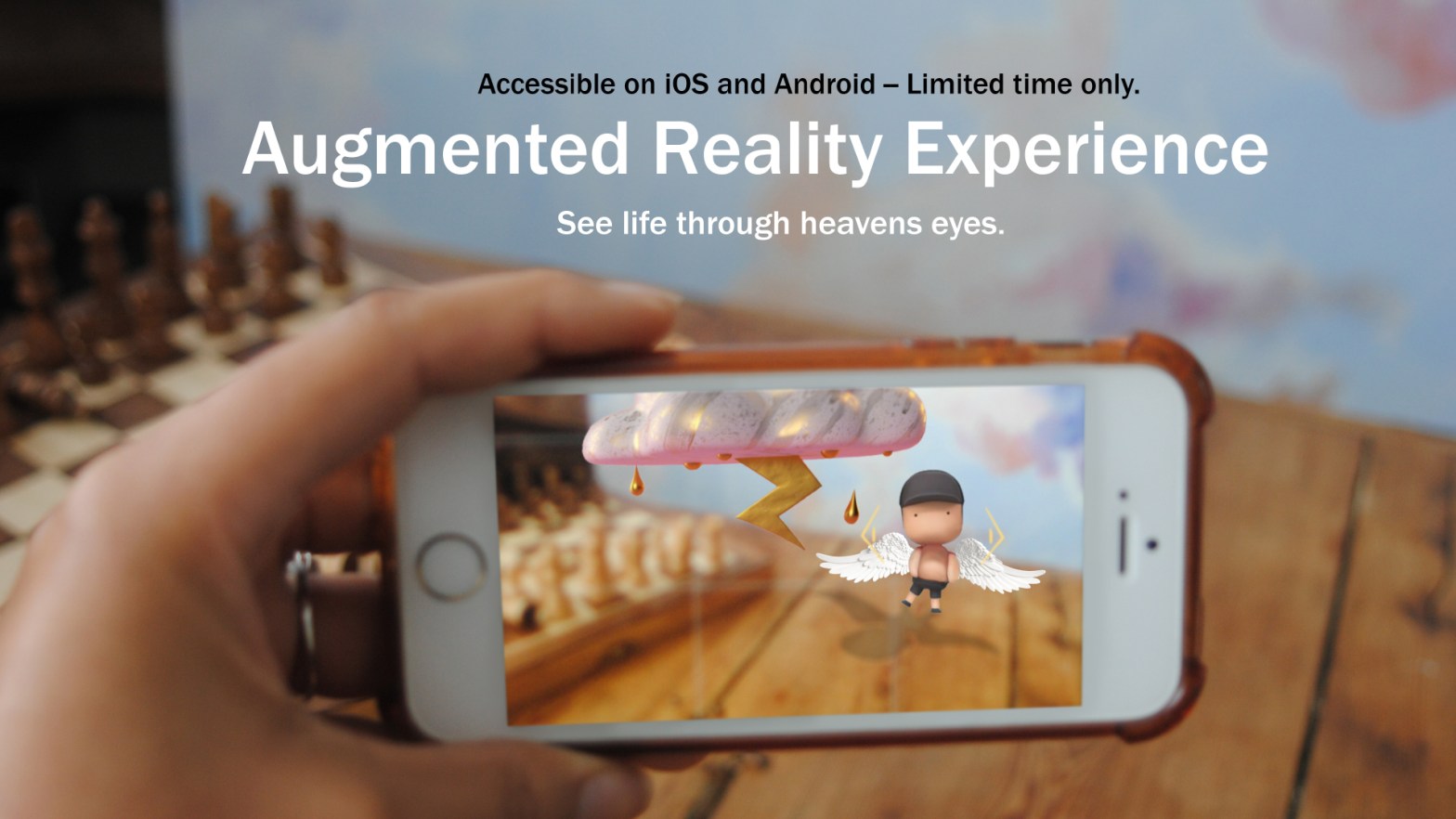
Augmented Reality is a steady growing trend in today’s scope of technology. It didn’t quite sky-rocket to everyone’s lips as intensively as Virtual Reality did, yet AR seems to have taken a much more functional approach to everyday life. Augmented Reality is already a useful daily tool throughout global activities. IKEA for example, the furniture store, offers an AR app called IKEA Place that gives the user freedom to plan their space with the furniture they can buy from the store in advance. Historical sites, like Italy’s Pompeii, let the user bring ruins back to life through Augmented Reality projections. Neurosurgeons, airport crew and even football broadcasters use Augmented Reality to enhance their jobs.
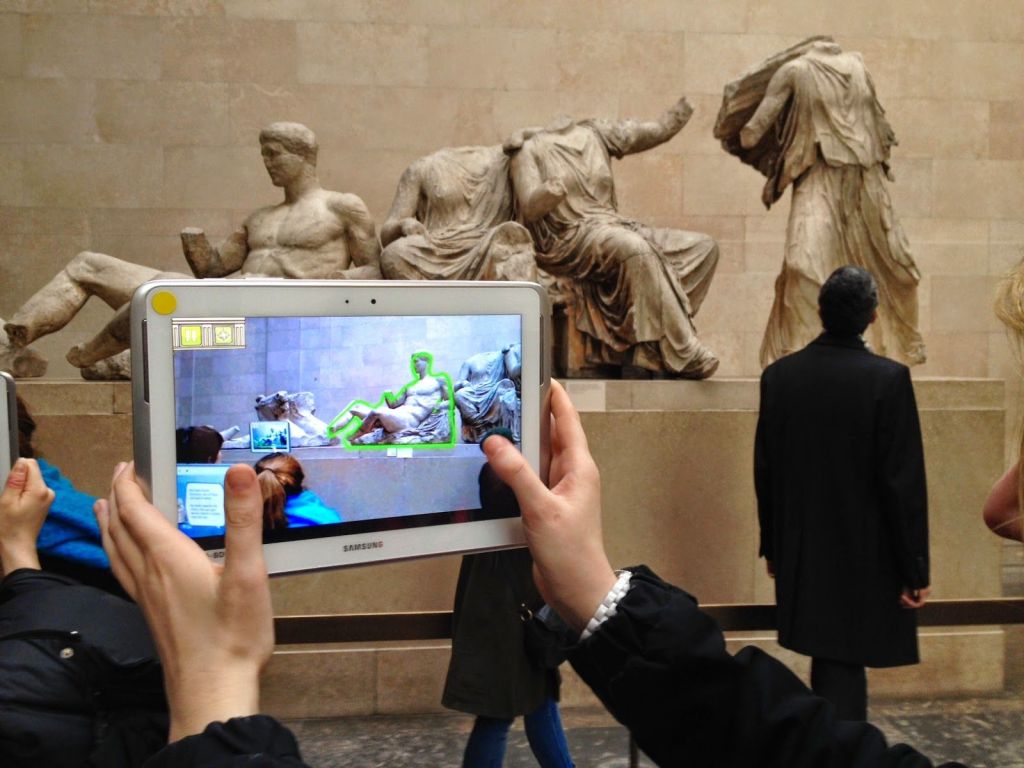
The future of Augmented Reality promises the replacement of the mobile device, in exactly what way has yet to be determined. As of now, this would be at a halt due to the seemingly never-ending chase of user privacy with Augmented Reality which seems to surreptitiously capture, record and contain personal data and footage.
What is this modern, technical invention besides what we see of it through examples in Iron Man or ideas that conjure up the goggles in Tom Clancy’s Splinter Cell? Well, it simply is an interactive and multi-sensory experience. Typically, Augmented Reality is performed in real-time and is often combined with heads-up display (HUD). The most common description of Augmented Reality finds itself partnered with the ever-more popular Virtual Reality. This inescapable comparison between the two is somewhat valid as they can be considered ‘related’ technologies but the natures of the two provide worlds of difference in the user experience. To quickly sum up the versus between AR and VR, we can say that Augmented Reality provides an immersive addition to the immediate environment of the user using technological enhancements (phone, glasses, tablet) with no real detriment to the senses whilst Virtual Reality provides a world encompassing experience that does not interact with the immediate environment but rather, allows the user to interact within a virtual one. The distinguished difference of experience is that VR eliminates the world around you and therefore has the down-side of altering with the user’s perception, balance and ability – the function to perform activities within VR are still far from replicating real-life as the industry so desires. But, back to Augmented Reality which deserves a title, reputation and essay of its own.

The first sign of Augmented Reality appeared in 1992 with the US Air Force Training system. Today, AR is being used in a myriad of ways already in ordinary day to day life through apps such as Snapchat, Instagram or those that help people find their car in a parking lot or virtually try on clothes without leaving their house. Augmented Reality can be one of two things, constructive (which adds to the natural environment) or destructive (which masks the natural environment).
Before touching on the subject of the benefits and successes of Augmented Reality, let’s first uncover the dangers of Augmented Reality. The first being the deaths and casualties caused by the popular AR experience in 2016, Pokémon GO. The injuries rose to over 29,000 and fatalities were over 250 in the 2016 year alone. The second concern for the danger of Augmented Reality lies no doubt in privacy. The debacle of data, legality and ethics of personal information in the last few years (Cambridge Analytica Scandal for example) have led more and more scrutiny to be cast on any user interactivity on platform or device. Augmented Reality can access information about environment, facial recognition and social media. In 2017, however, The Code of Ethics on Human Augmentation introduced by Computer Engineer Steve Mann, became ratified at the Toronto conference for VR. Ray Kurtzweil and Marvin Minsky in 2013 had refined the code that Mann originally introduced in 2004. Mann is well-known for creating the first wearable computer in 1980. Nearly 40 years later in 2019, Microsoft released the HoloLens 2, the Augmented Reality headset which brings holograms into the real world through constructive (additive) AR.
Like many advanced tech trends, it seems that there is no shortage of professionals, articles and projects or research to enlighten the most common layman about what to be impressed and/or intimidated by. However, despite the many projects of Augmented Reality, those that make money, steal data or provide an immersive experience, what sets them apart? If they are all using the same technology and giving their audiences what they want, how could there be a hierarchy and why? Entertainment, education, capitalism – the reason behind most media and content we have in today’s world. And like many businesses, the question should be “If your business is not helping to solve some of the world’s problems, the business is harmful”. To an extent, this is true – like everything, it is debatable. To an extent, this applies to Augmented Reality, which at this stage seems to be exercising its creative freedom through its fresh stages in media through many hats and many collaborations. TED, MIT even L’Oreal have had their share of AR fun. Though what the world needs from Augmented Reality is a question worth asking. If there is a responsibility of creators, engineers and designers to understand the impact of their work on the population at large, surely, there must be an equal responsibility for the medium to deliver it’s very best to drive mankind forward. Otherwise, why bother retelling stories and experiences through a new medium. As the now infamous Lasseter once said, art should challenge the technology and the technology should inspire the art.
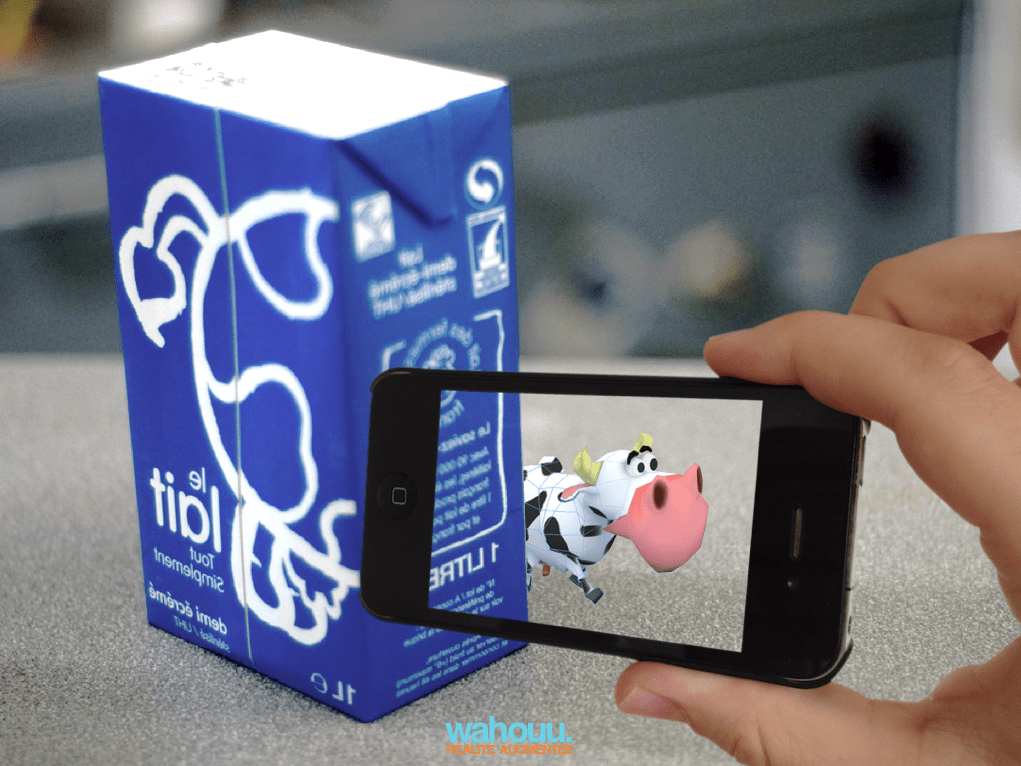
The fundamentals of Augmented Reality are pretty straightforward, which is the most enjoyable part of computing – at some point, it’s 1+1=2. User Interface design (UI) and User Experience design (UX) fall into place along with the design and interactivity sensibilities that one would find unavoidable. Asset creation, programming commands and the perfection of ‘to obscure, to not obscure’ placement control. Eventually, through all the research it seems rather redundant and trivial. Why it is being made and what effect that has on the improvement of man or man’s ability to understand himself or the universe is far more fascinating than lines of code or tricks of light.
Discover more from Posie Lombardi Rodriguez
Subscribe to get the latest posts sent to your email.
