
It is not entirely clear who introduced Christianity to Britain but it emerged after the late 2nd Century – as far as evidence can tell. At the time, the British were Celts and the religion was Polytheism. Christianity, a splintered sect, rose from a persecuted denomination to a global religion, demonstrating the forces of politics, chance and Providence. Christianity settled as a protestant faith.
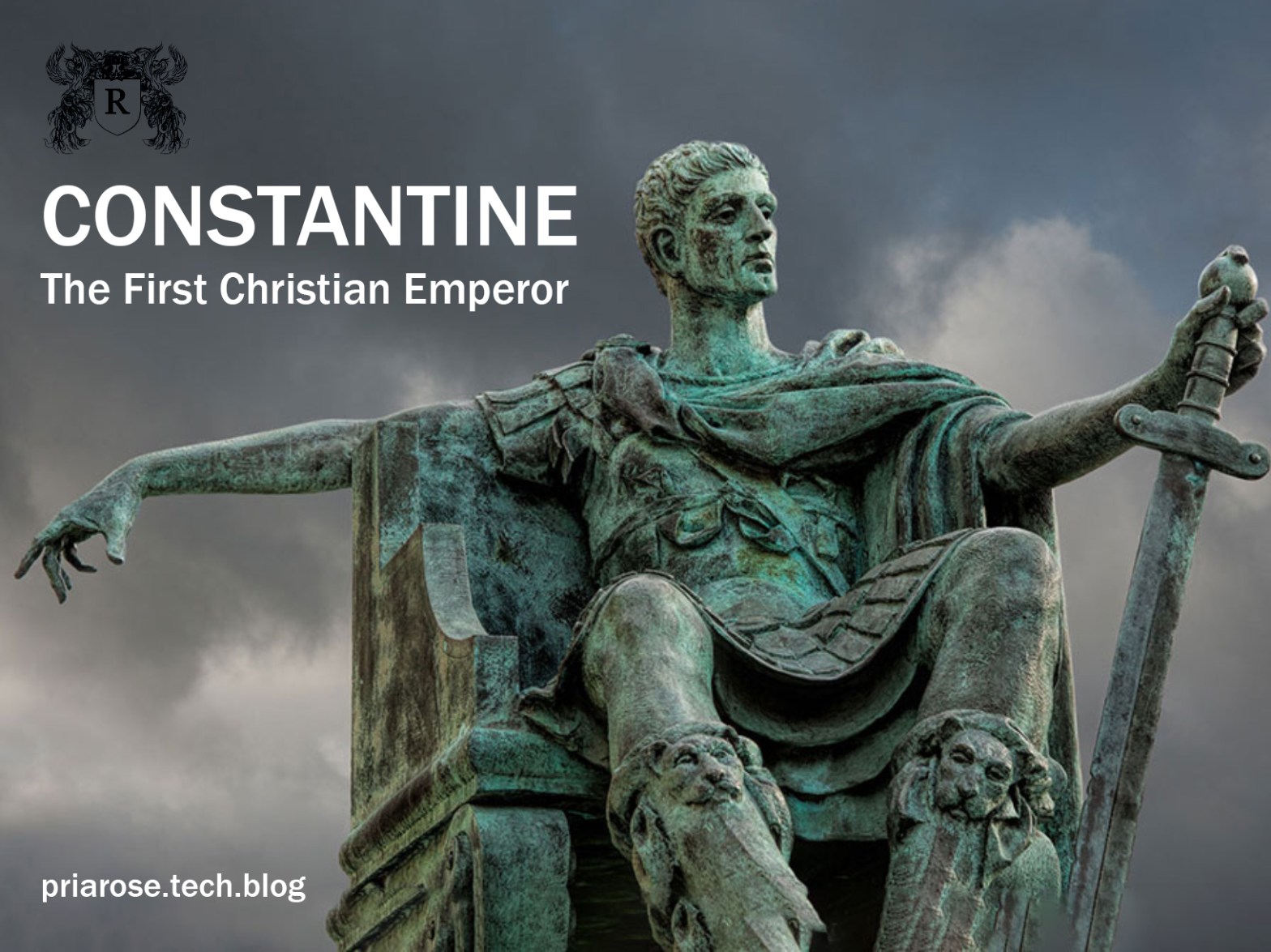
The Pagan and Roman Gods in Britain in the 1st Century AD were swept over by the religion from the east which at the time seemed very modern to the skeptical world it entered. This unintentional conversion began when traders and artisans would share stories of Jesus when they’d arrive in Britain. The difference between Christianity and the many other cults of the time that were very similar, is the strong and unwavering allegiance Christianity demanded by the followers. Many Christians were persecuted and led to meetings amongst them to take place in secret. The Roman Emperor, Constantine was drawn in by the appeal of a single God from this single religion. From 313 AD, Christianity was harnessed to unite the military and the empire. In the 4th Century, Paganism still abounded and the British population were not won-over by Christianity as it remained a minority faith.
Angles, Saxons and Jutes (yes that’s correct) invaded after the departure of the Romans and Paganism seemed to have prevailed, however, Christianity remained even through the Dark Ages on the Western edges of Britain. Wales, Ireland and Scotland helped bring a distinctively Irish ‘brand’ of Christianity to the mainland.
Augustine in 597 AD had a famous mission from the Pope in Rome to King Aethelbert, which is what truly founded the strength of Christian ties in Britain as well as the connection to Kingship. For the Venerable Bede, a Christian England was part of God’s master plan. Synod of Whitby has an account in the Ecclesiastical History of the English People which describes the Irish Christianity (epitomized by Saint Columba) and the Roman Christianity which was favored by Augustine from his mission with the Pope in Rome. This account reveals Bede bemoaning the Anglo-Saxons who held on to Pagan practices as half-hearted Christians. Parish life could be regulated through the organization and discipline of beliefs and behavior through Christianity, which was left to mature with the British people.
The Viking invasion of Lindisfarne in 871 AD would again test the endurance of the Christian faith which had already proved strong enough to survive an attack and two invasions yet. This Viking invasion however was the start of a series of attacks set out to destroy the faith which had risen from a minor cult to the potential of a major national religion. Priests had fled for their own safety after Christian sanctuaries were plundered – Paganism seemed to have a fighting chance to crush Christianity once again. Enter Alfred, the King of Wessex, who perceived these series of violent events as God’s own punishment. Guthrum, the Viking warrior was defeated at the Battle of Eddington which left the Christian King Alfred of Wessex to turn things around. Christian learning went on to the country people who were illiterate and Alfred had hopes to en-capture the ordinary persons imagination with the future of Christianity. By the 10th Century, local people were using small chapels that were created by Lords on their own land to give priests services to the public. This is still seen in existence today as was sown by the seeds of the parish system in the 10th Century.
Christianity in Britain was cemented by nothing more than the Norman Conquest. Thanks to William the Conqueror, churches built from stone at a monastic and parish level became colossal schools, market places and entertainment venues. Christianity came to dominate lives of ordinary people during the medieval period, locally and through their journeys of perilous pilgrimage. This, however, does not mean that medieval folk were devout Christians or church-goers. Church for most medieval people on average, based on Professor Hutton’s research from Bristol University, suggests that only when there was a spectacle a few times a year would people go to take part in Sunday service.
Despite lack of ritual in attending church on Sunday, the Church would enforce an inescapable regulation upon the public – church-goes or not. The church controlled, influenced and regulated what people did during their day as much as they did in their own bed, according to an explanation by Dr Foot of Sheffield University. Birth to death, cradle to grave, it remained that from inception the Church ruled and proved to be the passport to heaven or hell based on whether they were your friend or foe.
Reformation began in the 16th Century and was not only unpredictable but also set out to start the beginning of an even further unpredictable 150 years in Britain. The reformation was upon Catholicism and changes willed by a tiny minority towards the government to bring about change in this dominating religion. The criticisms however did not cause Henry VIII’s break from Rome since he was set to disobey the Pope in order to remarry so he had already sealed his fate. The criticisms upon Catholicism were due to a magic-like quality and the ritualistic nature of medieval Catholicism. Also, the corruption that took place included money-making which further tainted the image of the religion and the beliefs about the gospels.
The Bible, now, was set to be in English for the first time since only the priest was the only one to reveal the meaning behind the scriptures. Pilgrimages and shrines were no more and the lands of monasteries, an entrenched pinnacle of medieval Catholicism were sold off. Edward VI modernized the ritual of mass and the rules of the faith. No more Purgatory, no more prayers for the deceased and no more celibate priests. Edward proved the reformation to be not only political but also personal. Dissent was punishable by death. This was all undone of course, by Edward’s half-sister Mary, who set the rules of Britain’s faith into reverse. England returned to Catholicism and the people once again faced a road of persecution and martyrdom on disobedience. Without a doubt, this would all change again. Enter Elizabeth! Sister to Mary who threw the nation back to being Protestant as Edward had. By the end of Elizabeth’s reign, when majority of those who were raised Catholic had died, it seemed an act of treachery. To be Protestant was to be English. The extreme Protestants were called Puritans. Elizabeth refused to abolish bishops which disappointed the Puritans but pleased most others. Her son James continued in Elizabeth’s ways as he succeeded her. The King James Bible then defined the nation and encapsulated the religion of Britain. Reformation was sold, signed, sealed and delivered – at the time, it seemed nothing and no-one could challenge it.
Discover more from Posie Lombardi Rodriguez
Subscribe to get the latest posts sent to your email.

One thought on “Christianity in Britain – Politics, Chance and Providence”