

AI is taking over the IT industry as those who know how to leverage AI for problem solving can command significant increases in salaries from careers in Robotics to Computer Visionary Engineer with the incomes at £99k to £158k a year.
Besides being a sophisticated topic, Artificial Intelligence is as much glorified as it is feared. The great Stephen Hawking once said:
“The development of full artificial intelligence could spell the end of the human race”
2014, BBC
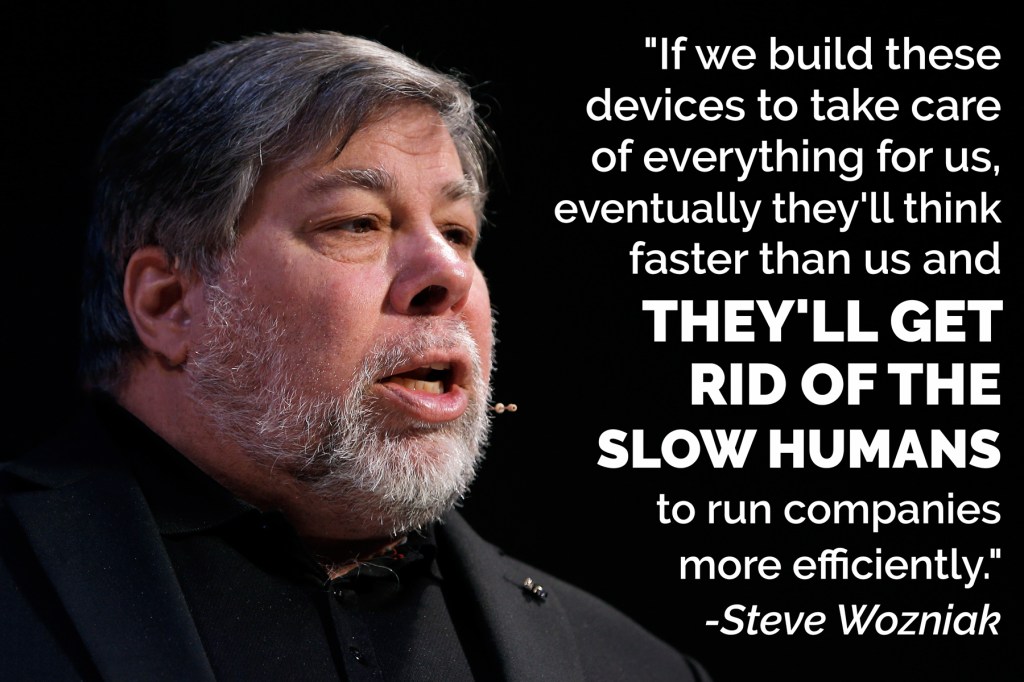
Stephen Hawking and Steve Wozniak aren’t alone in the doomsday approach to AI.
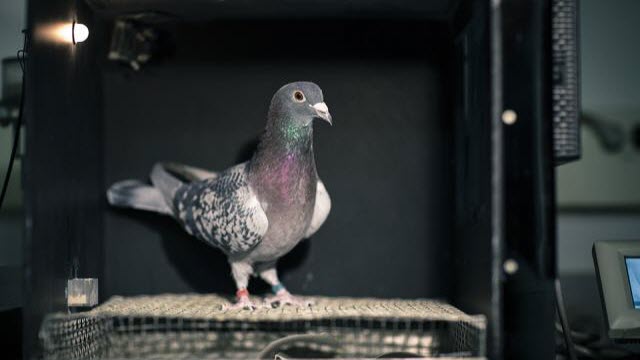
“Artificial Intelligence can do this. Artificial Intelligence can do that.” Quite frankly, when a pigeon diagnosed cancer, no one was afraid of them surpassing human intelligence and wiping out existence as we know it. Read about the pigeon here.
What is it really?
Event statements, loops and logical operations are how programming tells the computer what to do. Artificial Intelligence is just the machine working out how to do that on its own, all it would need is the data.
There is currently a shortage of people capable of teaching machines how to solve problems in this different way. So those who are capable are extraordinarily compensated – and there really doesn’t seem to be an end to that in sight.
What is intelligence anyway?
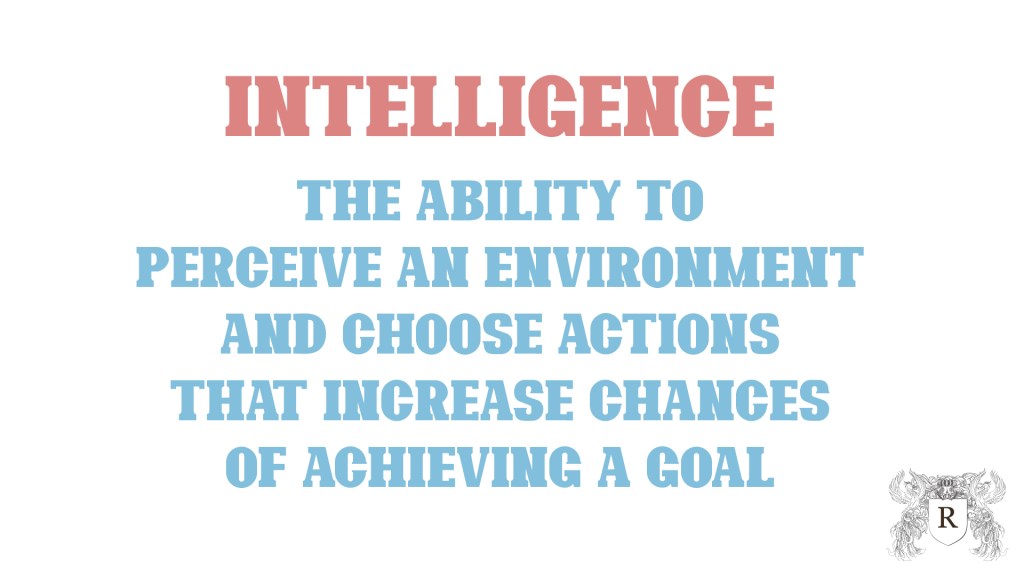
By learning, applying, reasoning and planning, intelligence by definition is demonstrated — even though it is a long debated topic (we’ll leave that for the semantics snobs).
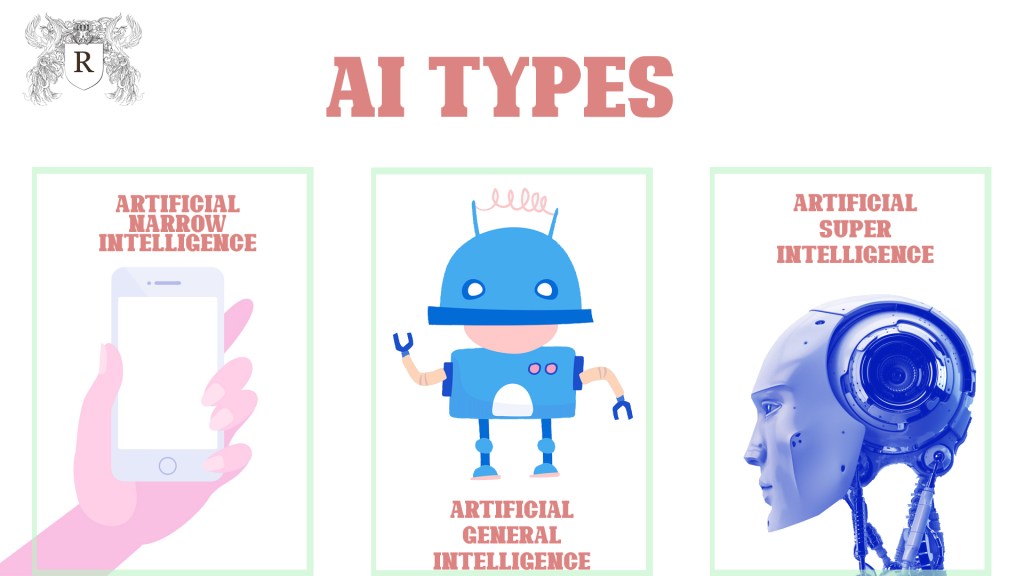
Narrow AI: IBM’s Watson, Amazon’s Alexa or Google’s Waymo.
General AI: R2D2, Data (Star Trek) or Hal 9000 – the type of AI that is the general direction of the industry and the goal of many AI projects.
Super AI: Skynet (The Terminator), Ultron (The Avengers), The Architect (The Matrix) and would emerge after General AI as it can recursively self-improve and does not have the biological limitations of an organic brain.
What does it take to make?
Some examples of what components make up Artificial Intelligence are: sensors, data, recalling, deduction, inference, goals, states & prediction.
Listing the many applications of AI is pointless, since, wherever there is a repetitive task lies an opportunity for automation AI. This is seen today from within Healthcare, Finance and Marketing to Transportation and Manufacturing.
What’s the big hoo-ha?
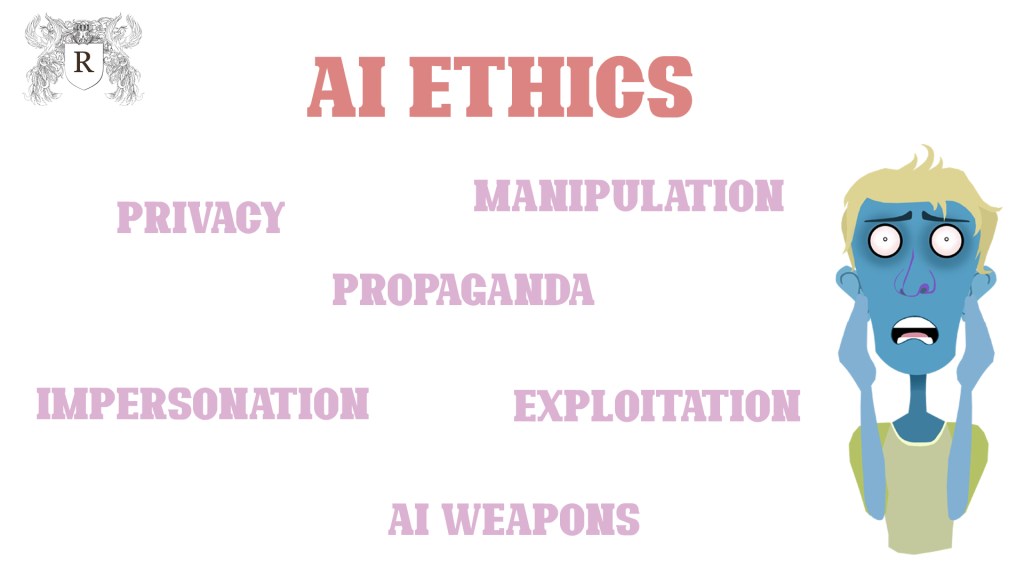
Issues that come with Artificial Intelligence are quite concerning to say the least, despite the fact that it can actually just be used to help save and improve lives as well as the efficiency of day to day tasks.
Like with Augmented Reality, any new tech brings new ethics concerns though they usually share an uncanny resemblance, the main similarity being the amount of plosives (specifically privacy, and the repetitive use of the letter p) in the array of ethics concerns. Improvement of ethics within Artificial Intelligence actually spells the improvement of safer and wider use of the technology, bringing the futurism to the now.
Ethics, however, is a human concern, and one we have been struggling to bring to our governments and systems long before the potential of AI.
Discover more from Posie Lombardi Rodriguez
Subscribe to get the latest posts sent to your email.
