
As I prepared for my Glamorous Gaming Pop-Up event, to kick-off a small growing enterprise generating content that encourages, celebrates and supports girls who game, I took two things into consideration.
1. How to orchestrate a successful pop-up event in a pandemic
2. How to share the meaningfulness of why this needs to be done
What was it?
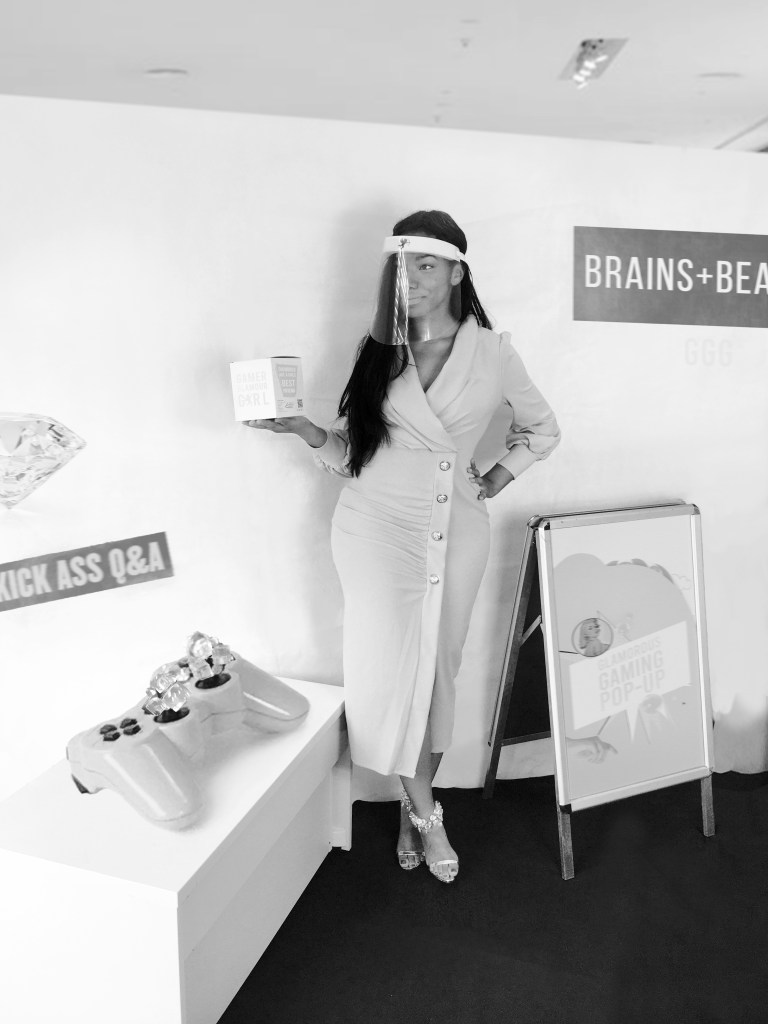
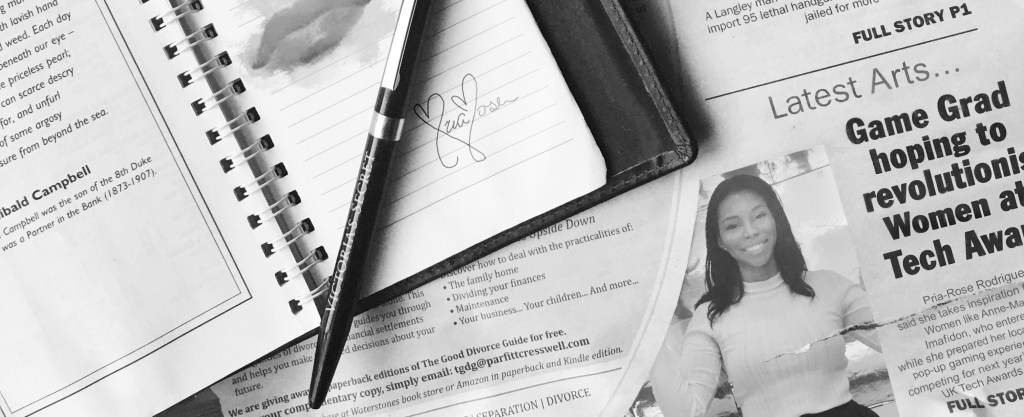
The pop-up event took place locally and was acknowledged as a success, previously written about in the nearby newspaper, promoting and celebrating my efforts as a graduate to empower young girls and ladies in Tech & by using Tech.
Why was it?
Girl Gamer(s) or Gamer Girl(s) are some of the most controversial and arguably cringe-worthy terms used for women. When starting this enterprise, I had many leading industry professionals and mentors tell me so personally.
“Don’t do it” or “It’s a terrible name” — Gamer Glamour Girl is what they’re referring to.
Why did I do it? Because I still have young ladies and women who identify as Gamer Girls and have demanded product, representation, collaboration…
Simply put, there is still a market. More importantly, there is a deafening cause.
The masses of resources aren’t shy from content revealing how polarised gender representation in gaming is. Instead of compiling the various strings of information I’ve gathered from online courses in Game Ethics from MIT, reports on whether Nintendo Game Boy was sexist and made up for it with an even more out-of-touch ‘Girls Club’ in 2014 or the ongoing conversation amongst the academics who question femininity and masculinity at their core meaning before even contemplating their representation in games, alas I’ve decided to share a few resources instead. Guaranteeing more time to draw a meaningful and concise conclusion, gathering insight and designing a kick-a** infographic.
Some stats worth remembering though:
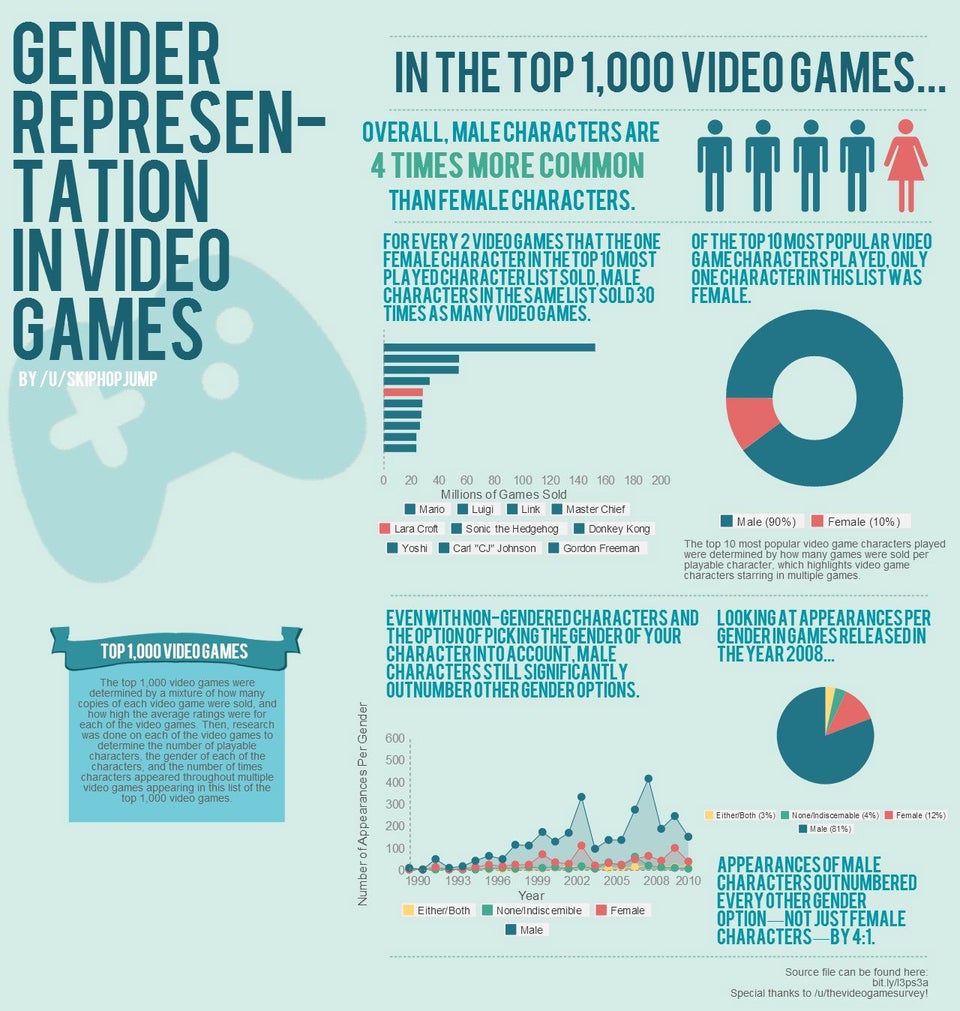
- Only one female character made the top 10 most played character list, and the nine male characters from that list sold thirty times as many video games.
- Even with non-gendered characters and the option of picking the gender of your character, male characters still significantly outnumber other gender options.
Here are some links to articles of interest:
Business Insider: The ‘Nintendo Girls Club’ Is So Sexist It Made Me Sick.
Apologies in advance on behalf of Business Insider’s horrific cookies policy box design, serious un-appeal but good read after that bit.
The Impact of Nintendo’s “For Men” Advertising Campaign on a Potential Female Market
Scroll down a little when you load this journal, great read for marketers.
One-third of UK women gamers report abuse or discrimination from male gamers
Good short read with evidence of why abuse can put women off playing and working in the games industry.
Holding Out for a Sheroe: Gender Representation in Video Games
Honestly, one of my favourites — very funny or I have a geeky sense of humour. You tell me.
Please ask if you’d like reference to the MIT Games and Ethics lecture where they mention gender pronouns for inclusivity. Stating that, as a developer, assuming your player is female actually does more good (for all players) than assuming the player is male. A statistic worth pondering, at the least.
Source 1

Source 2
Source 3
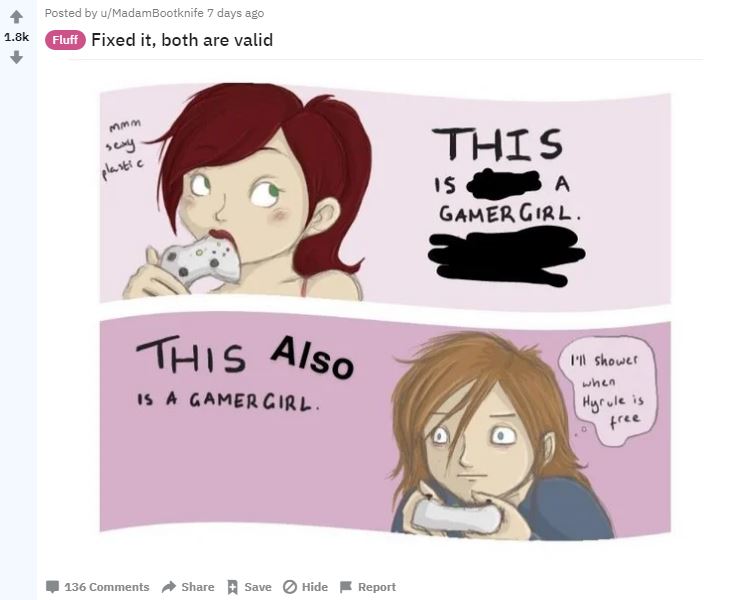
and my personal favourite…
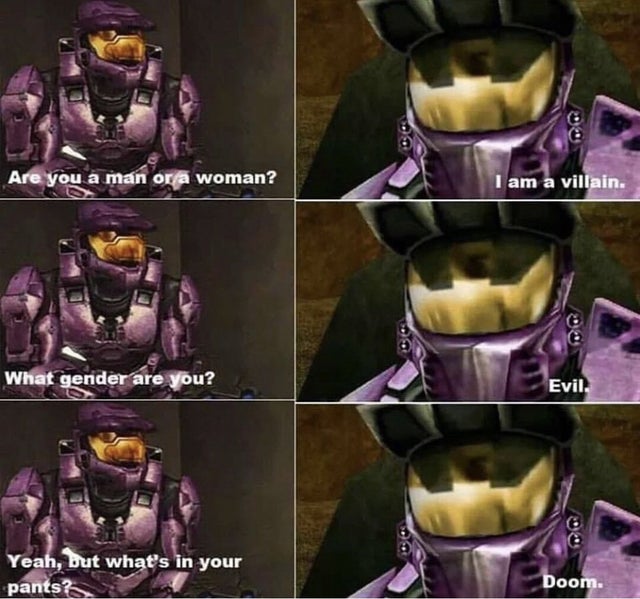
Finally, I return to the pandemic restrictions of the pop-up which was handled well by the impromptu security and helpers team as well as the visitors who approached with curious caution. The pop-up was more of an instillation, which you could interact with from afar. Complimentary Glamorous Gaming masks were left up for grabs and you could learn, scan codes and interact with the pop-up from a safe distance.
Why I embraced glamorous gaming is a story for down the line, when the enterprise has more IP stability and exposure.
Anticipate dynamic gender representation data visualisations from myself very soon after I eat a few more textbooks and feed it into my tableau…
Thanks for reading.
Discover more from Posie Lombardi Rodriguez
Subscribe to get the latest posts sent to your email.
