

Renaissance art easily conjures mental imagery of both religious and erotic figures. Either heavily robed and demure, or athletic and provocatively nude. However, deeper symbolism can be missed by the most avid museum goer or gallery fiend.
As viewers, we are being primed in believing we can be divine while living vicariously through the divine beings. Identifying the Renaissance as a time of the greatest art acknowledges biblical art as the most influential. Whether blasphemous or erotic doesn’t diminish the fact that it is eternally provocative.
Author Archives: Posie Lombardi
Gamification of Identity
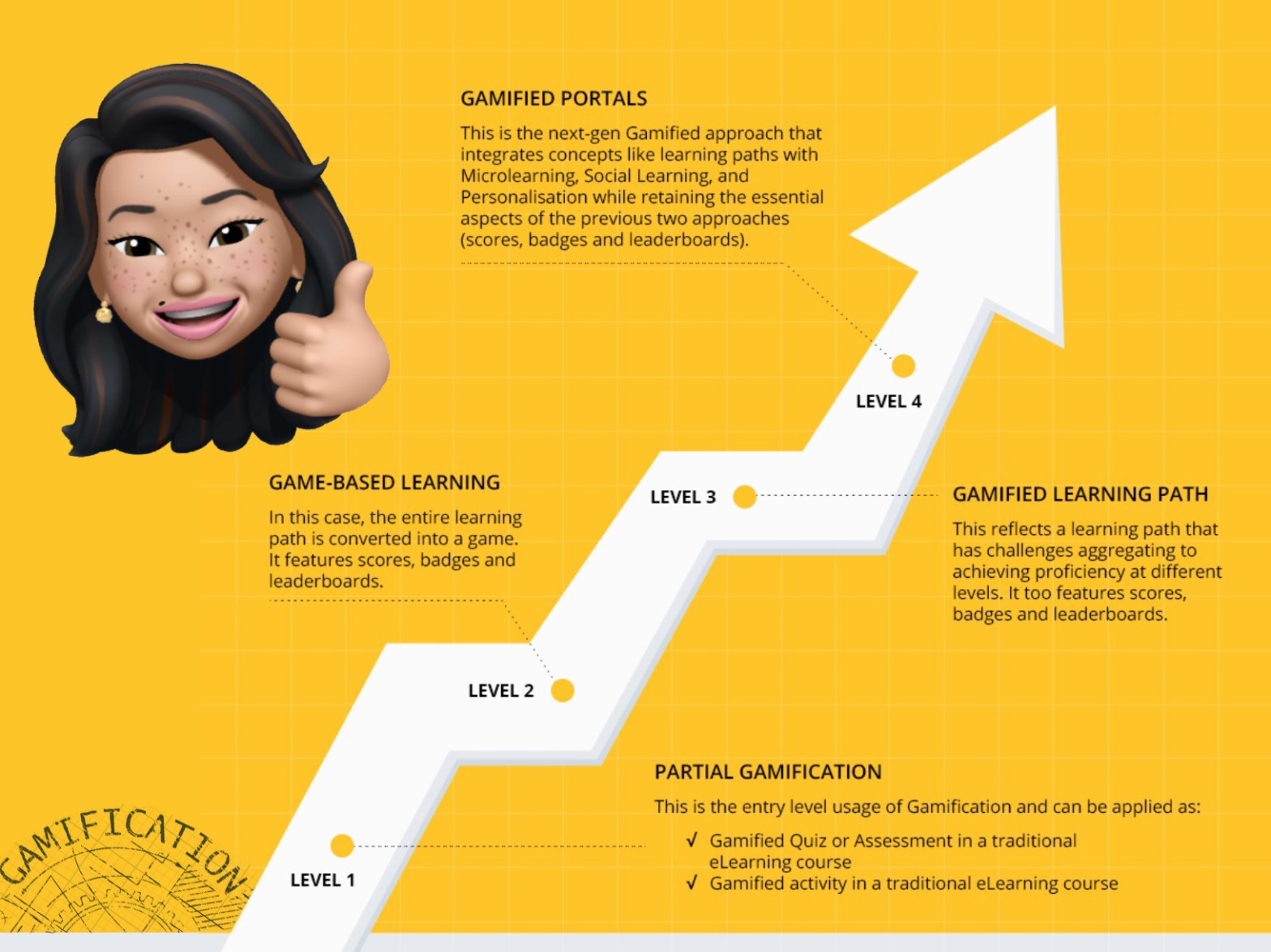
It may be hard to see emoji’s addressing a significant social problem, but Unilever VP-Haircare Marketing Rob Candelino believes they can. “When 73% of people in this country claim to use emoji’s every day, they’re very quickly becoming the new currency of communications”.
To be represented with digital avatars is important for self-belief and identity establishment. This has been proved by the collaboration between Advertising agency Ogilvy Paris and Unilever’s Dove who together created curly haired emoji’s. The fact that these emoji’s and even the Bitmojis aren’t exactly interactive but more assisting text as a fixed image tool is evidence enough of the effect of digital representation on our self-image. If there was a gamification of self-improvement using the emoji’s that we feel narrate and express ourselves so well, the odds are in favour of it being well received.
What is beyond the illusion of Augmented Reality
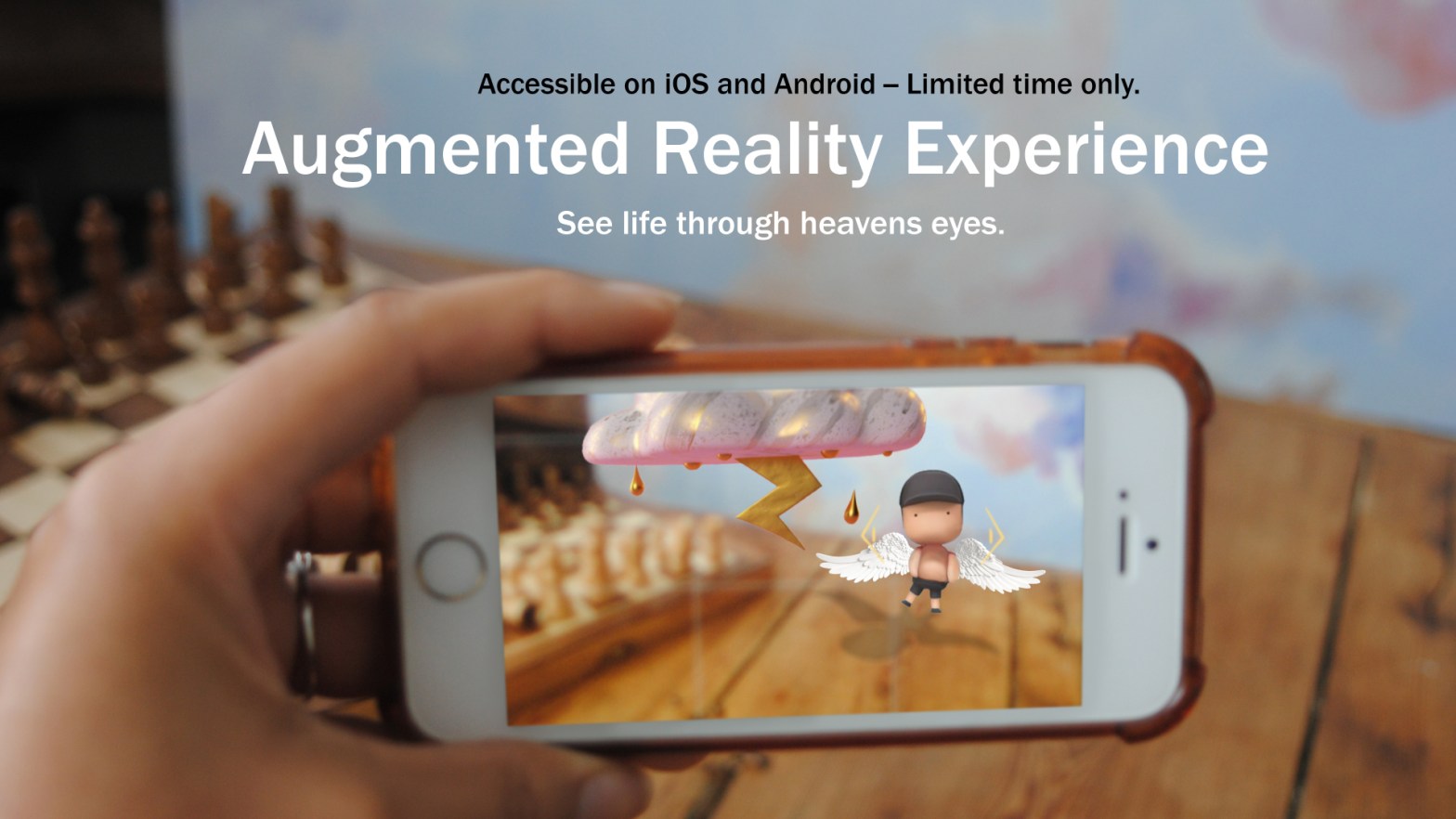
Augmented Reality is a steady growing trend in today’s scope of technology. It didn’t quite sky-rocket to everyone’s lips as intensively as Virtual Reality did, yet AR seems to have taken a much more functional approach to everyday life. Augmented Reality is already a useful daily tool throughout global activities. IKEA for example, the furnitureContinue reading “What is beyond the illusion of Augmented Reality”
2019 Portfolio

Coming Soon!
Stay up to date on the social media channels for a heads-up for new blog content.
